I may earn a commission at no extra cost to you. #ad
The Trucker's Free Guide to Navigating DOT Physical Exams and Health Regulations
Jump to Section
For professional truck drivers, your health is more than just a personal matter—it is your license to earn. The Department of Transportation (DOT) physical exam is a mandatory requirement designed to ensure that commercial motor vehicle (CMV) drivers are physically, mentally, and emotionally fit to operate large vehicles safely on public highways.
Navigating these regulations can be stressful. A failed exam doesn't just mean a trip to the doctor; it means being sidelined from your job. This guide provides a comprehensive breakdown of everything you need to know to pass your DOT physical and stay compliant with FMCSA regulations.
What is a DOT Physical Exam?
A DOT physical is a health check required by the Federal Motor Carrier Safety Administration (FMCSA). Unlike a standard yearly checkup, the DOT physical focuses on "safety-sensitive" functions. The primary goal is to ensure you don't have a medical condition that could cause a sudden loss of control of your truck.
These exams must be performed by a Certified Medical Examiner (CME) listed on the National Registry. Typically, a medical certificate is valid for 24 months, though drivers with conditions like high blood pressure or diabetes may be issued a certificate valid for only 3, 6, or 12 months to ensure more frequent monitoring.
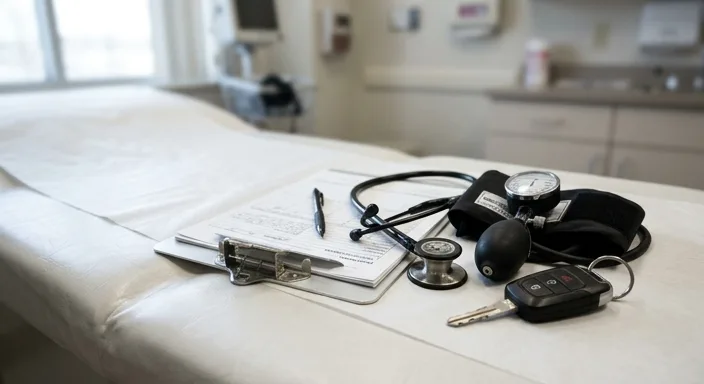
How to Prepare for Your Appointment
Success starts before you walk into the clinic. Being unprepared can lead to temporary disqualification or "pending" status, which wastes time and money.
- Gather Your Documentation: Bring a list of all current medications (names and dosages) and the contact information for your primary care physician.
- Manage Your Blood Pressure: Avoid excessive caffeine, nicotine, and high-sodium foods for 24-48 hours before the exam. These can spike your blood pressure and lead to a shorter certification period.
- Hydrate: Drink plenty of water. You will be required to provide a urine sample, and being dehydrated can sometimes lead to abnormal results in protein or sugar levels.
- Bring Your Gear: If you wear glasses, contacts, or hearing aids, make sure you have them with you. The examiner needs to test your "corrected" vision and hearing.
- Sleep Well: Fatigue can affect your blood pressure and heart rate. Aim for 7-8 hours of sleep the night before.
The 5 Core Components of the Physical
The examiner will follow a strict protocol. Here is what they are looking for during the five main parts of the exam:
- Vision Test: You must have at least 20/40 acuity in each eye and both eyes combined (with or without corrective lenses). You also need at least a 70-degree peripheral vision in the horizontal meridian in each eye.
- Hearing Test: You must be able to perceive a "forced whisper" at a distance of 5 feet or more in at least one ear. Alternatively, you can pass an audiometer test.
- Blood Pressure and Pulse: The examiner checks for hypertension and irregular heartbeats. Generally, blood pressure under 140/90 is required for a 2-year certificate.
- Urinalysis: This is not a drug test (though a carrier may order a separate drug screen). The DOT urinalysis looks for signs of underlying conditions like diabetes (sugar), kidney disease (protein), or infection (blood).
- Physical Examination: The doctor will check your general appearance, lungs, heart, abdomen, and limbs for any abnormalities that might impair your ability to drive.
Common Disqualifying Health Conditions
While many conditions can be managed, some are considered "automatic" disqualifiers unless a specific exemption is granted. These include:
- Epilepsy: A history of epilepsy or any condition that causes seizures is generally disqualifying.
- Vision/Hearing Loss: If you cannot meet the minimum requirements even with correction.
- Insulin-Controlled Diabetes: Formerly a major hurdle, drivers with insulin-treated diabetes mellitus (ITDM) can now be certified if they meet specific requirements and provide an ITDM Assessment Form (MCSA-5870) signed by their treating clinician.
- Severe Respiratory Issues: Conditions like advanced COPD that require supplemental oxygen.
- Cardiovascular Disease: Recent heart attacks or heart surgery require a waiting period and clearance from a cardiologist.
- Drug Use: Use of any Schedule I controlled substance (including medical marijuana, even in legal states) is strictly prohibited.
Understanding FMCSA Exemptions and Waivers
If you have a condition that technically disqualifies you, you may still be able to drive through the FMCSA Medical Exemptions Program. The most common programs include:
Skill Performance Evaluation (SPE) Certificate: This is for drivers with missing or impaired limbs. It allows them to demonstrate they can operate a CMV safely through a driving test.
Vision and Hearing Exemptions: If you don't meet the standard vision or hearing requirements, you can apply for a federal exemption by providing medical evidence that your condition is stable and doesn't interfere with safe driving.
Tips for Maintaining Health Compliance
Don't wait for your 2-year renewal to think about your health. Long-haul trucking is notoriously hard on the body. To ensure you never fail an exam, consider these lifestyle adjustments:
- Monitor Your Own BP: Buy a cheap blood pressure cuff and check your levels monthly at home.
- CPAP Compliance: If you have Sleep Apnea, ensure you are using your CPAP machine as prescribed. The examiner will likely ask for a compliance report (usually showing 4+ hours of use 70% of the time).
- Healthy Snacks: Swap the roller-grill hot dogs for almonds, fruit, or yogurt. High sodium is the #1 cause of high blood pressure in drivers.
- Stay Active: Even 15 minutes of walking around the truck stop can improve circulation and heart health.
Frequently Asked Questions
Q: How long does a DOT physical take?
A: Usually between 30 and 45 minutes, assuming you have all your paperwork ready.
Q: Can I use my personal doctor for a DOT physical?
A: Only if your doctor is a Certified Medical Examiner on the FMCSA National Registry. Most family doctors are not.
Q: What happens if I fail the exam?
A: You may be given a "temporary disqualification." This gives you time to treat the underlying issue (like getting new glasses or stabilizing blood pressure) and retake the exam.
Q: Is a DOT drug test the same as a DOT physical?
A: No. While they both require a urine sample, the physical exam checks for health markers, while the drug test checks for controlled substances. However, many employers schedule them at the same time.