In the trucking industry, recruiters often scan resumes in less than ten seconds. With the high demand for qualified drivers, a clean, professional resume is your ticket to the top of the pile. Whether you are an OTR veteran or a new CDL graduate, your resume needs to communicate two things immediately: reliability and safety.
This guide will walk you through the step-by-step process of building a resume that speaks the language of fleet managers and recruiters, ensuring you land the high-paying routes you deserve.
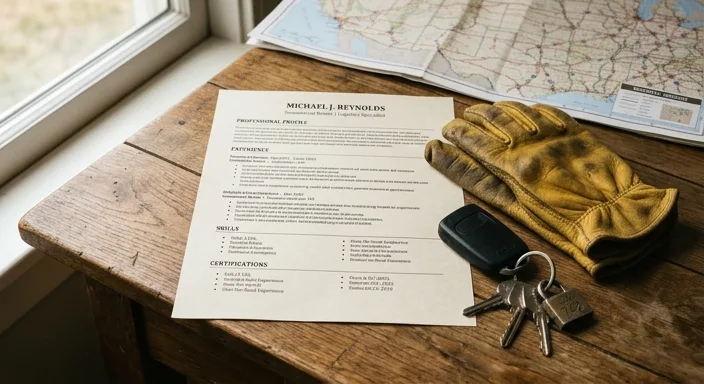
The top of your resume should be clear and concise. Unlike other professions, a truck driver's contact section must include specific licensing details right away. Recruiters need to know if you are legally qualified before they read another word.
Forget the "Objective" statement. Recruiters know your objective is to get a job. Instead, use a Professional Summary. This is a 2-3 sentence "elevator pitch" that summarizes your years of experience, primary equipment types, and your safety record.
Example: "Safety-conscious CDL Class A Driver with over 8 years of experience in OTR and regional hauling. Specialized in flatbed and oversized loads with a 100% accident-free record over 750,000 miles. Committed to punctuality and FMCSA compliance."
This is the "meat" of your resume. List your work history in reverse-chronological order (most recent job first). For every position, include the company name, your dates of employment, and your role.
When describing your duties, be specific about the equipment and routes:
Endorsements make you more valuable and often lead to higher pay. Create a dedicated section for your technical skills and certifications.
Top Endorsements to List:
Other Key Skills: ELD proficiency (Samsara, Motive, etc.), Pre-trip/Post-trip inspections, basic mechanical troubleshooting, and load securement techniques.
In trucking, your safety record is your most important asset. If you have a clean MVR (Motor Vehicle Record), shout it from the rooftops. If you have received awards, include them in a "Safety & Awards" section.
Trucking recruiters often use Applicant Tracking Systems (ATS) to filter resumes. To ensure your resume gets through, follow these formatting rules:
Yes. While many companies use applications, having a resume allows you to apply for the most competitive, high-paying jobs that require a more professional approach.
Only if they show relevant skills (like warehouse management or mechanics) or if you are a new driver and need to show a steady work history.
Be honest. If you took time off for personal reasons, you can list it briefly, or focus on the skills and certifications you maintained during that time.
Professional Resume Paper
View on AmazonProfessional Resume Portfolio
View on AmazonShare this guide:
If you found this guide helpful, consider leaving a tip!
Explore More Free Guides